Industrial Roofing
Canadian Roofing Group delivers industrial roof asset assessments, restoration, and replacement planning for warehouses, logistics facilities, manufacturing, and institutional portfolios across Metro Vancouver and the Lower Mainland. We prioritize rain resilience, code-compliant detailing, and CapEx clarity so your roof supports uptime, tenant confidence, and predictable budgeting.
What Industrial Roofs in Metro Vancouver Need to Do
Manage Persistent Moisture and Wind-Driven Rain
Vancouver’s coastal weather creates long wet seasons, frequent freeze–thaw events in shoulder months, and wind-driven rain that finds weak seams fast. We focus on watertight transitions, redundancy at penetrations, and drainage performance so water is moved off the roof—not stored on it.
Protect Operations and Inventory
Industrial facilities can’t afford downtime. Our planning approach prioritizes phased work, predictable staging, and clear reporting so you can protect sensitive inventory, maintain safety routes, and reduce disruption to shipping and receiving.
Support Long-Term Asset Value and Financing
A roof is a balance-sheet asset. We document condition, remaining service life, and risk so owners and property managers can defend budgets, reduce emergency spend, and improve portfolio confidence for lenders, insurers, and tenants.
Durability + Compliance + Reporting
A Vancouver-Ready Industrial Roofing Standard
Industrial roofing performance in the Lower Mainland is won or lost at details: drainage, terminations, penetrations, and the discipline of inspections. Our process is built to reduce leaks, extend service life, and keep documentation ready for audits and renewals.
Drainage & Ponding Water Control
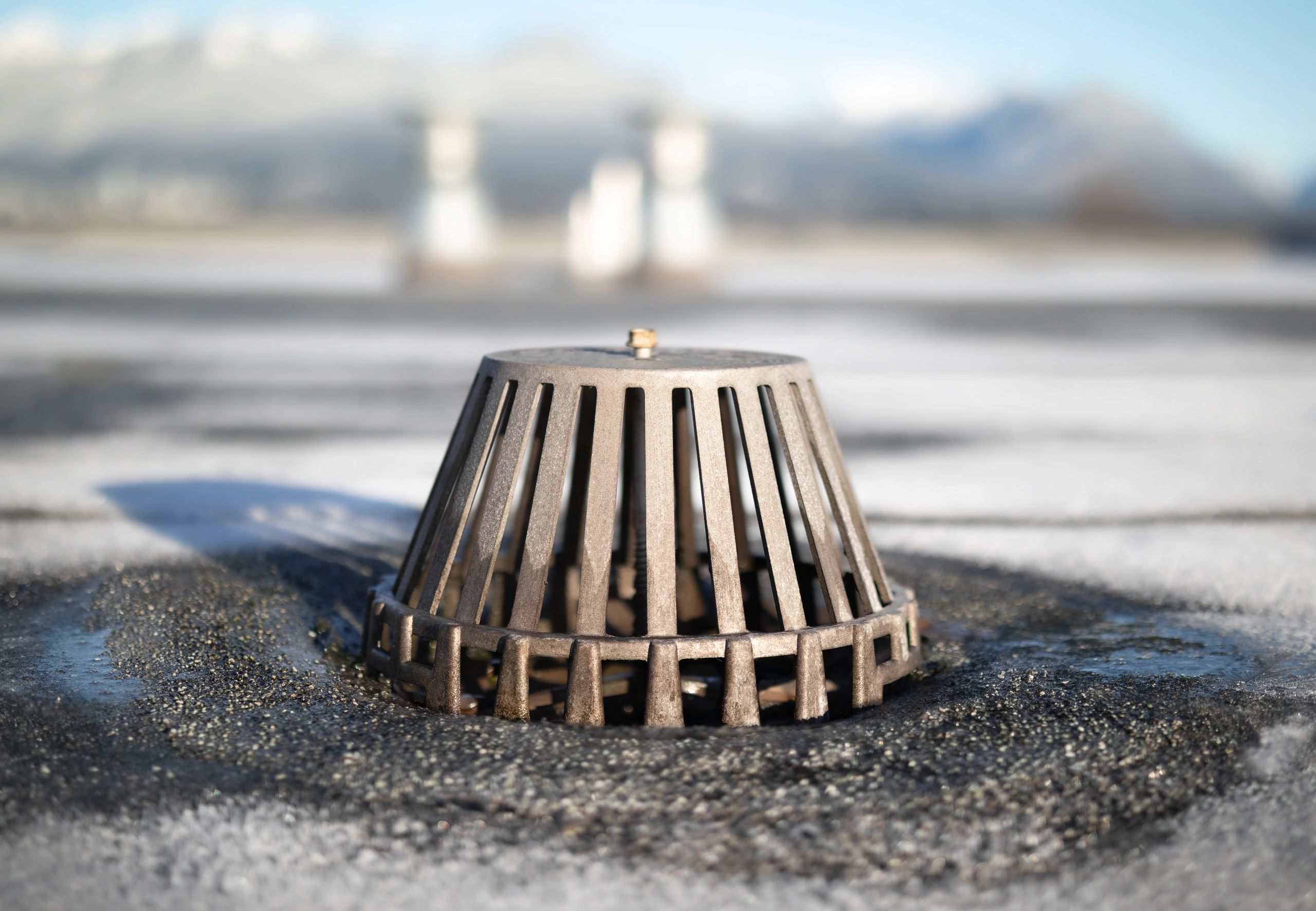
We evaluate slope, scuppers, internal drains, and overflow provisions to reduce ponding risk—critical in long rain cycles.
Penetrations, Curbs & Equipment Detailing
RTUs, vents, and pipe penetrations are common leak sources. We prioritize robust flashing geometry and compatible sealants/membranes.
Wind Uplift & Perimeter Security
Perimeters and corners see the highest uplift pressures. We review attachment strategy and edge metal conditions to reduce blow-off risk.
Thermal Performance & Condensation Risk
We consider insulation continuity, vapor control, and moisture pathways to reduce condensation that can degrade decks and insulation.
Code-Aware Documentation
Clear photo logs, scope notes, and close-out documentation support compliance workflows and future warranty conversations.
Lifecycle Planning & CapEx Roadmaps
We translate roof condition into a practical roadmap—repair now, restore, or replace—so capital planning stays defensible.
Industrial Roofing in BC: Common Questions
These answers are written for industrial owners and property managers operating in Metro Vancouver, Burnaby, Richmond, Surrey, Delta, and the broader Lower Mainland.
How does Vancouver’s climate change industrial roofing priorities?
Long wet seasons increase the cost of small defects. We prioritize drainage performance, redundant waterproofing at transitions, and inspection discipline so minor issues don’t become interior damage or operational disruption.
What does “code compliance” mean for an industrial roof project?
It means the scope is planned and executed with local permitting and safety expectations in mind, with documentation that supports building owners, insurers, and facility teams. We align details and reporting so the roof system is defensible over time.
Which systems are commonly used for industrial roofs in the Lower Mainland?
Depending on the building, we often evaluate reinforced SBS torch-on assemblies, restoration coatings such as high-solids silicone, and liquid-applied membranes (including Sikalastic) where detailing and continuity are critical.
How do you reduce disruption for active warehouses and logistics sites?
We plan staging, access routes, and phased work so shipping/receiving can continue. Clear daily reporting and safety controls help facility teams coordinate around critical operations.
How does this improve long-term asset value?
A documented roof condition and roadmap reduces emergency spend, supports predictable CapEx, and improves confidence for tenants, lenders, and insurers—especially for multi-site portfolios.
What should I prepare before requesting an audit?
If available, share roof plans, prior warranty info, leak history, and any recent repair invoices. If you don’t have them, we can still start with an on-site assessment and build the documentation from there.
Ready for a Vancouver-Grade Roof Asset Plan?
Request a roof asset audit for your industrial facility. We’ll document condition, prioritize risk, and outline a practical path to extend service life and stabilize CapEx.